House in Umbria
12 guests · 5 bedrooms · 5 baths
Reasons to book
Guests love it hereGuests give this property a top rating
Great for petsBring all your friends and family, even the furry ones
Top-tier experienceA high end property in this area
About this house rental
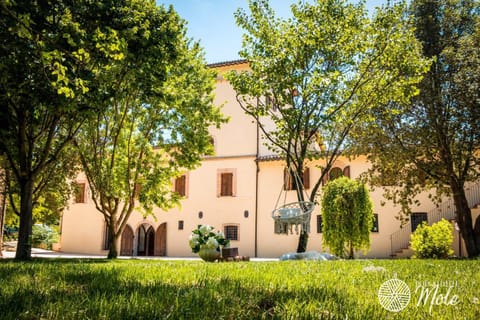
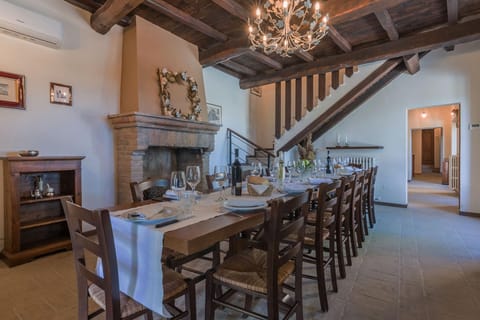
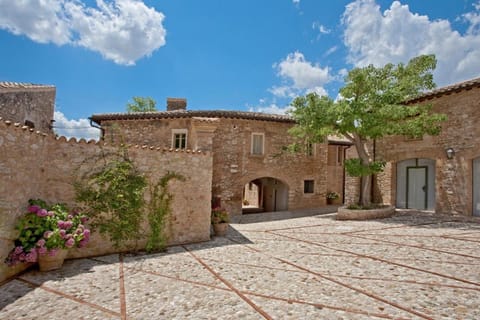
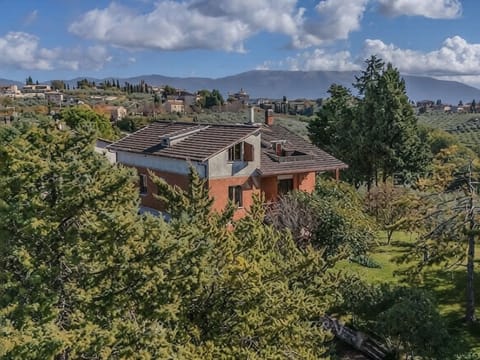
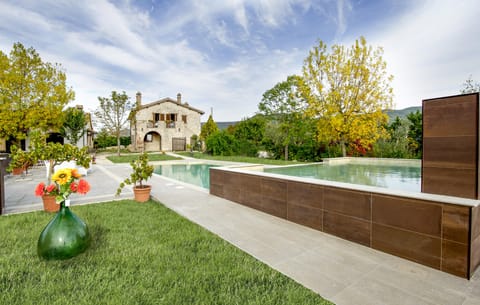
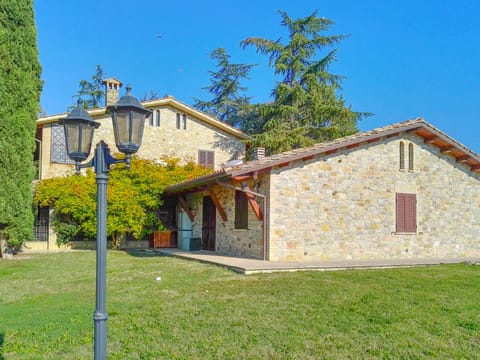
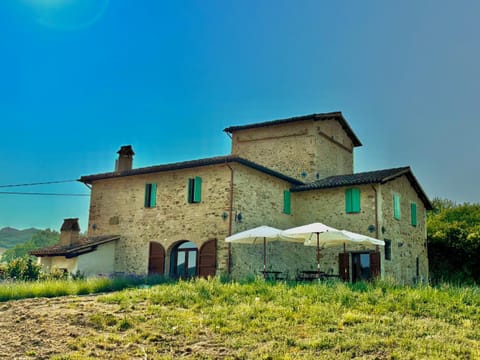
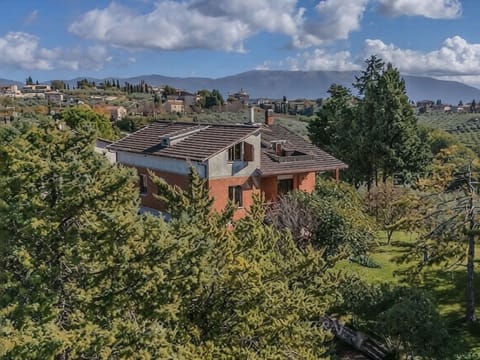
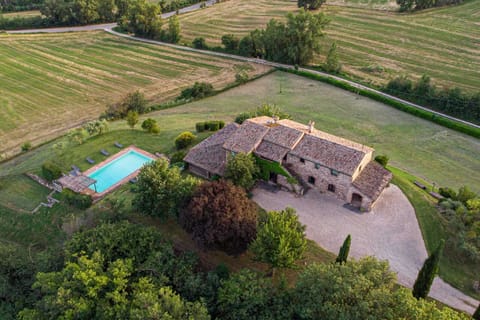
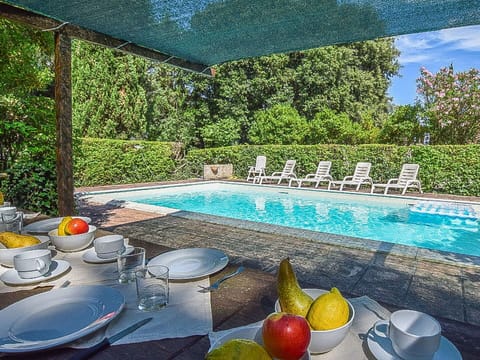
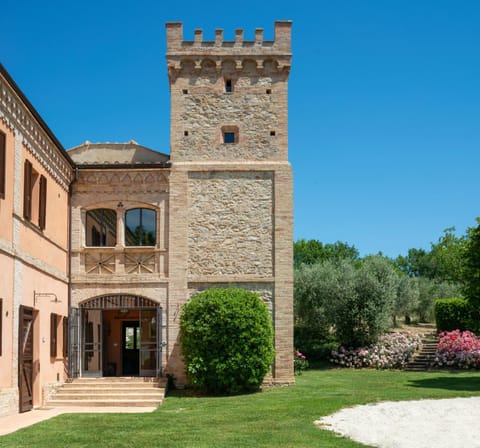
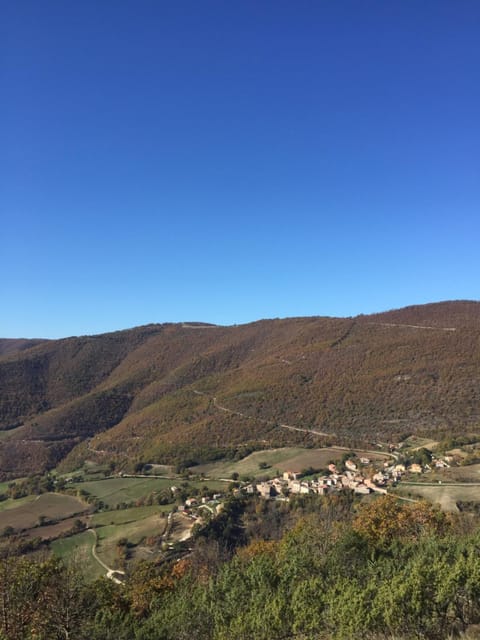
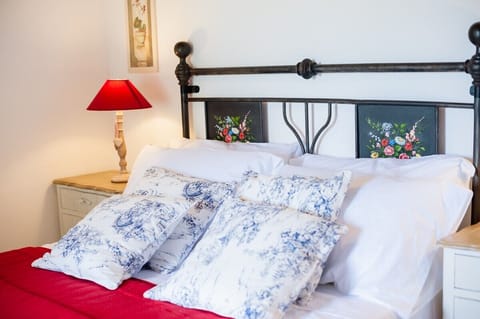
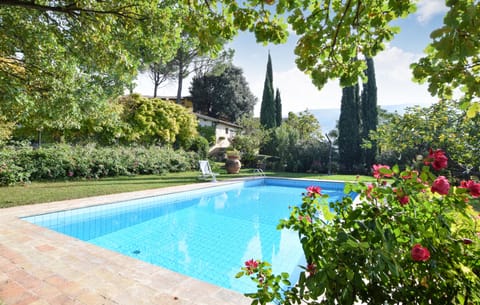
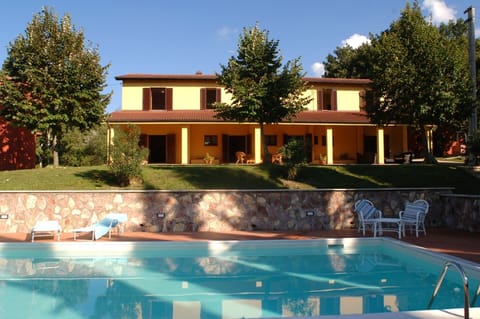
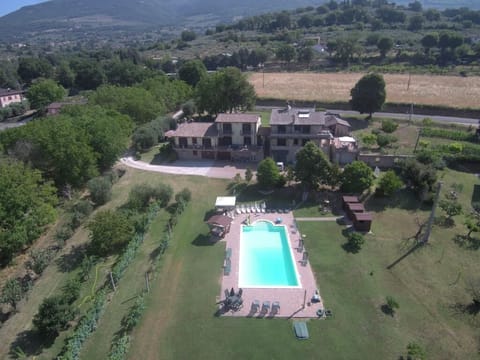
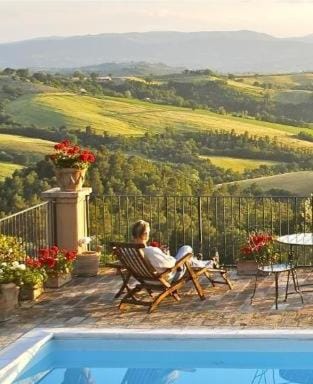
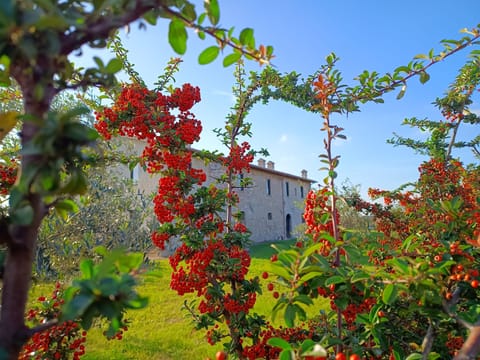
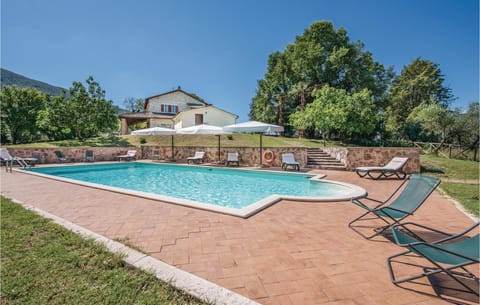
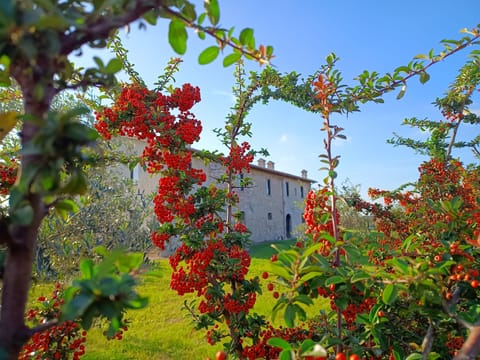
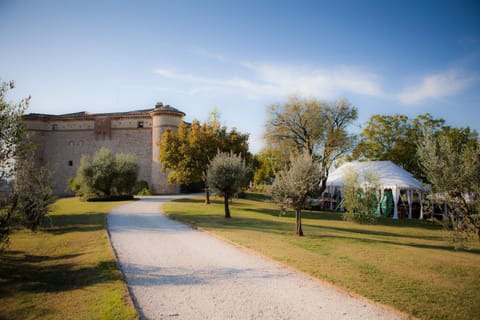
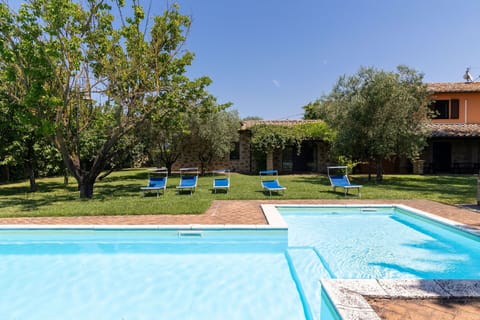
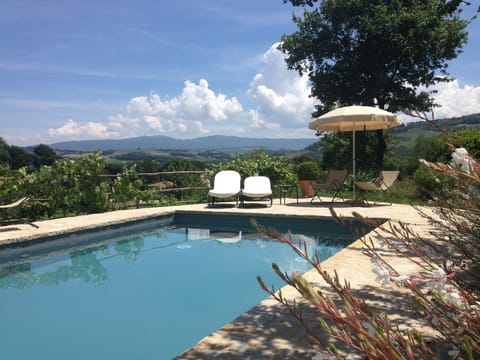
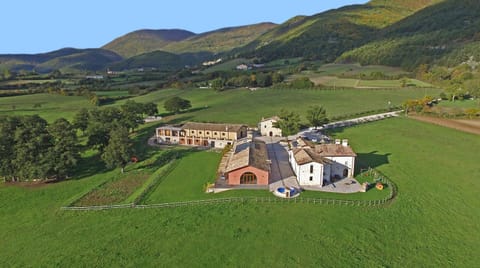
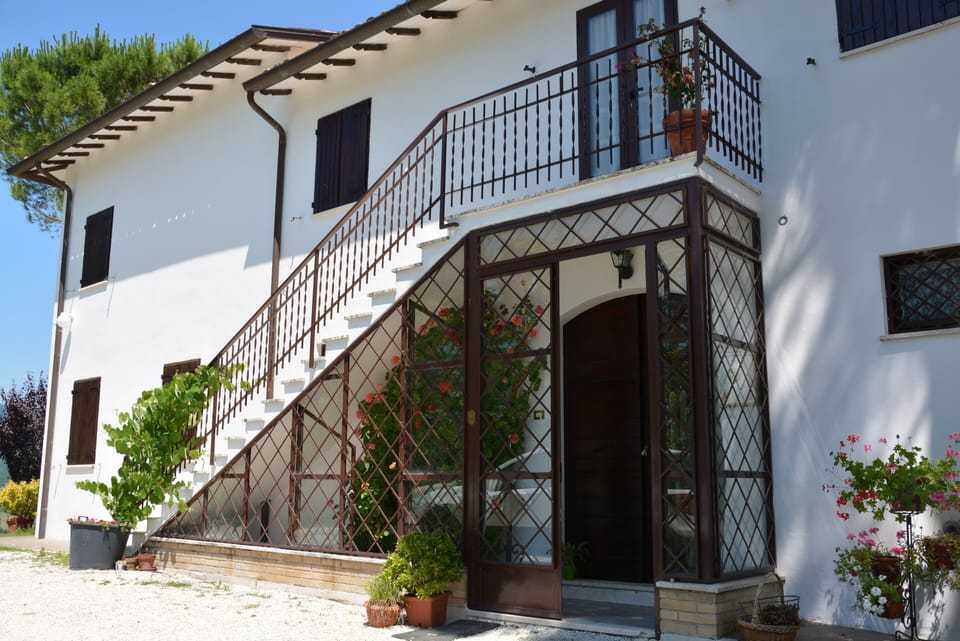
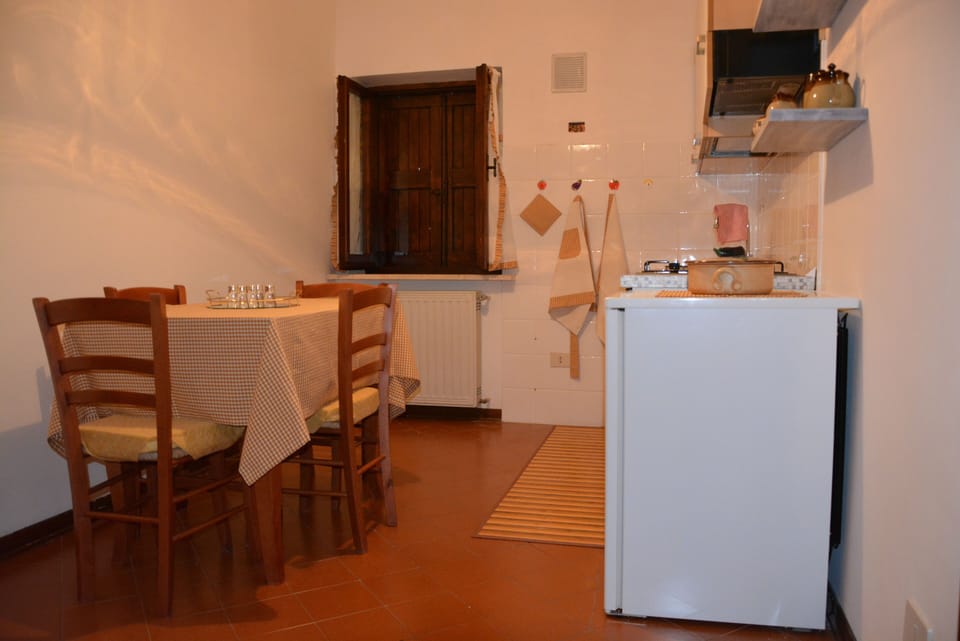
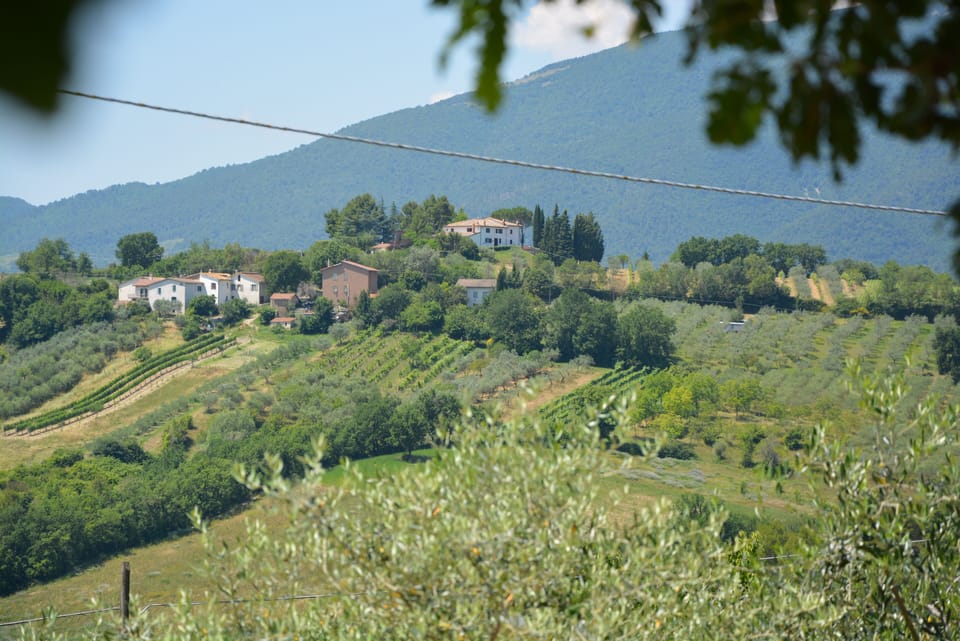
The Casale Fusco country house is a beautiful restored old country home located on 18 acres, 10 km northwest of Spoleto. It serves as an excellent base for day trips throughout Umbria, including Deruta, Perugia, Assisi, Spello, Trevi, Bevagna, Montefalco, Todi & Orvieto. Casale Fusco features majestic sweeping views from its hilltop location and it is accessed from a paved country lane. 18 acres are divided into vineyards and olive groves. The garden and a terrace with a panoramic view create the perfect atmosphere for tranquil days. The surrounding tourist facilities include: swimming-pool, horseback-riding and convenient restaurants. The area is perfect for mountain-bikers and trekking. For the adventurous, rafting and rock climbing are available in less than an hour drive. On the upper floor there are five bedrooms with two independent entrances. Four of the five guestrooms have a private and modern bathroom. It is possible to combine two or three adjoining bedrooms to create an area for a family or a group of friends that would sleep four or seven adults and one infant and include two bathrooms and a kitchenette. The combined rooms can be accessed by their own entry. All the bedrooms and the entire residence are furnished and decorated with family furniture and heirlooms dating from the late 1800s. We strive to maintain the genuine and ancient Umbrian agricultural traditions. The origin of which dates back to the Etruscan period. From the hill of the farmhouse you may appreciate many views including:
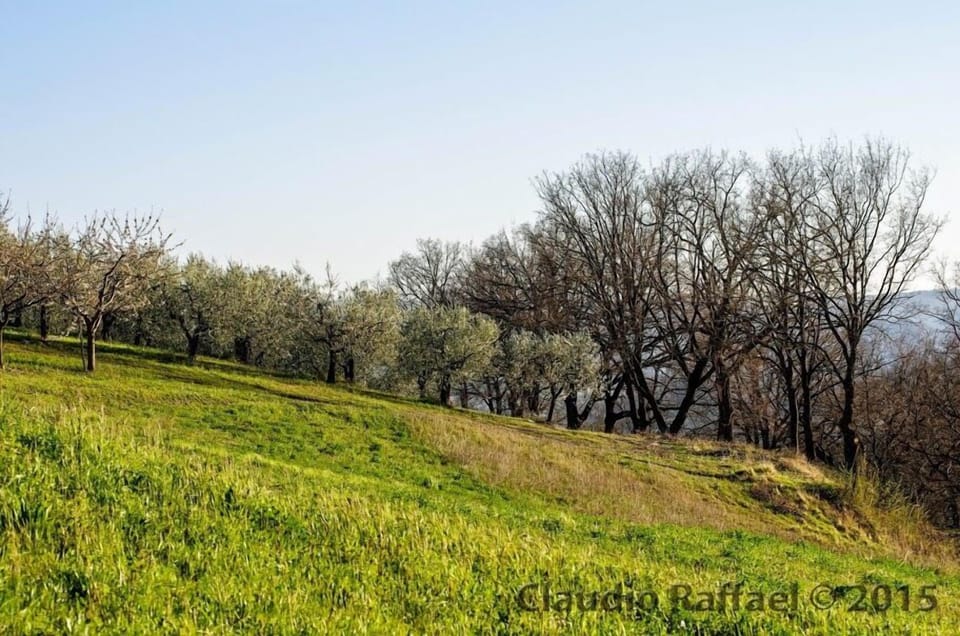
Century-old olive trees which are well-distanced to ensure the best solar irradiation; thus producing an excellent extra virgin olive oil with low acidity. This oil is amongst the best in the region, with a delicate taste, finely fruity and round and emerald green in colour, obtained by cold extraction from olives harvested at their peak.
A red grape vineyard, “ungrafted” and considered a rarity now. It was selected for the production of “Colli Martani” DOC wine due to its ruby red colour, and a harmonious and dry flavor.
Rows of aromatic white grape vine “Malvasia di Candia” planted in the farmhouse decades ago. These produce an extraordinary wine of golden yellow colour, with a pleasant sweet aroma of Muscat.
Centenarian grape plants “Trebbiano Spoletino” married to the maple trees, where a distinguished white wine is produced, with a yellow -gold colour, well balanced, with an intense flavor.
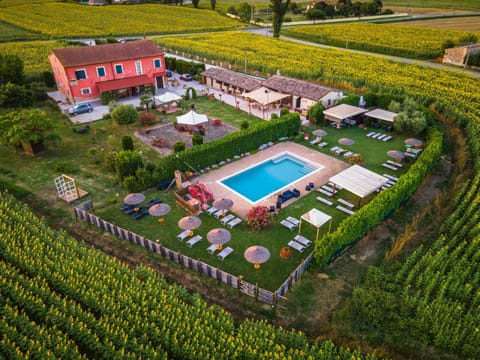
The cultivation of sunflowers. Their growth is so fast that it is almost miraculous. This huge flower is always chasing the sun, and can easily reach two meters in height. They give an oil rich in unsaturated fatty acids, (especially linoleic acid and oleic acid), this giving it nutritional value and a good shelf life.
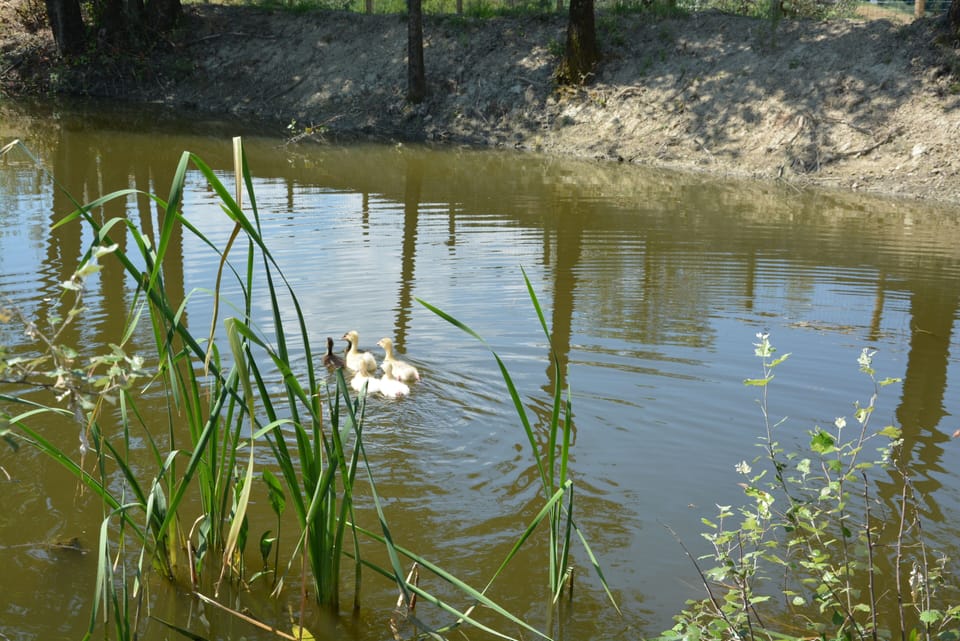
The land covered in fruit trees with the pond, the woods and the oak trees where you can find wild animals such as wild boars, hares, ducks, woodcocks and pheasants.
Everything has been taken care of to ensure our guests a “full immersion” into Umbria, a region characterized by rolling green hills rich in history and traditions, already inhabited in prehistoric times by the Umbrians and the Etruscans, then became part of the Roman Empire.
The territory of Umbria, encircled by Tuscany, Lazio and the Marche is small but varied: 8456 square kilometres sketched out by rolling hills, impressive mountains, green valleys, fertile plains, lake basins and majestic rivers. It is perfectly placed in the middle of Italy. The climate is sunny. The winters are quite short and the summers are hot.
This land of greatness offers to tourists plenty of opportunities and starting points. It is a land of historical, artistic, cultural, natural greatness: a rich and diversified offer, which each of you can transform with his own capability to discover a personal itinerary (I can help you if you want).This rich environment and landscape is protected and valorised by seven regional parks. There are the Valleys and the Mountains of the National Park of Mounts Sibillini, with centres where the past history is still visible, with their fortifications, their striking Romanesque churches, their hermitages, their ancient abbeys, their mills, their stone bridges over the waterflows, their towers which superbly command over the whole territory.
And there are the towns, Assisi, Perugia, Orvieto, Todi, Gubbio…. rich of history, ancient mediaeval buildings, with frescos and paintings in every church and museums with paintings of the most famous Italian painters.
Hills and mountains, vines , olive yards and woods create the perfect scenery for the gastronomy of Umbria : homemade pasta with truffles, extra virgin oil, cheeses and ham, lentils, red potatoes, lamb, wild boar.
Important events attract thousands of visitors every year: Umbria Jazz, the Festival of two Worlds in Spoleto, the Sagra Musicale Umbra , the Festival of Nations; Corsa dei Ceri in Gubbio, the Quintana in Foligno. Umbria is a region on a human scale and you will surely want to come a second time.
Nestled on the slopes of Monteluco, you will find the medieval fortress city of Spoleto. The city’s urban planning began before the time of Augustus and was completed by 1 BC. Ancient ruins and three miles of aqueducts penetrate the center and the shell of a Roman amphitheater lies nearby. Thick walls and a magnificent gorge surround Spoleto, and fine medieval and Roman monuments sit along the streets. After its prominence in classical times, Spoleto became the seat of one of the most powerful states in Italy at the very beginning of the Middle Ages. It remained splendid through the golden years of the Middle Ages and Renaissance, acquiring its share of lovely monuments and quaint streets.
Although Spoleto is one of Umbria’s picture perfect stops, it was almost unknown until Giancarlo Menotti selected Spoleto as the site for a summer arts festival in 1958, and his Festival dei Due Mondi (Festival of Two Worlds) hasn’t left since.
The Festival dei Due Mondi (Festival of the Two Worlds) is an annual summer music and opera festival held each June to early July in Spoleto, Italy, since its founding by composer Gian Carlo Menotti in 1958. It features a vast array of concerts, opera, dance, drama, visual arts and roundtable discussions on science.
Century-old olive trees which are well-distanced to ensure the best solar irradiation; thus producing an excellent extra virgin olive oil with low acidity. This oil is amongst the best in the region, with a delicate taste, finely fruity and round and emerald green in colour, obtained by cold extraction from olives harvested at their peak.
A red grape vineyard, “ungrafted” and considered a rarity now. It was selected for the production of “Colli Martani” DOC wine due to its ruby red colour, and a harmonious and dry flavor.
Rows of aromatic white grape vine “Malvasia di Candia” planted in the farmhouse decades ago. These produce an extraordinary wine of golden yellow colour, with a pleasant sweet aroma of Muscat.
Centenarian grape plants “Trebbiano Spoletino” married to the maple trees, where a distinguished white wine is produced, with a yellow -gold colour, well balanced, with an intense flavor.
The cultivation of sunflowers. Their growth is so fast that it is almost miraculous. This huge flower is always chasing the sun, and can easily reach two meters in height. They give an oil rich in unsaturated fatty acids, (especially linoleic acid and oleic acid), this giving it nutritional value and a good shelf life.
The land covered in fruit trees with the pond, the woods and the oak trees where you can find wild animals such as wild boars, hares, ducks, woodcocks and pheasants.
Everything has been taken care of to ensure our guests a “full immersion” into Umbria, a region characterized by rolling green hills rich in history and traditions, already inhabited in prehistoric times by the Umbrians and the Etruscans, then became part of the Roman Empire.
The territory of Umbria, encircled by Tuscany, Lazio and the Marche is small but varied: 8456 square kilometres sketched out by rolling hills, impressive mountains, green valleys, fertile plains, lake basins and majestic rivers. It is perfectly placed in the middle of Italy. The climate is sunny. The winters are quite short and the summers are hot.
This land of greatness offers to tourists plenty of opportunities and starting points. It is a land of historical, artistic, cultural, natural greatness: a rich and diversified offer, which each of you can transform with his own capability to discover a personal itinerary (I can help you if you want).This rich environment and landscape is protected and valorised by seven regional parks. There are the Valleys and the Mountains of the National Park of Mounts Sibillini, with centres where the past history is still visible, with their fortifications, their striking Romanesque churches, their hermitages, their ancient abbeys, their mills, their stone bridges over the waterflows, their towers which superbly command over the whole territory.
And there are the towns, Assisi, Perugia, Orvieto, Todi, Gubbio…. rich of history, ancient mediaeval buildings, with frescos and paintings in every church and museums with paintings of the most famous Italian painters.
Hills and mountains, vines , olive yards and woods create the perfect scenery for the gastronomy of Umbria : homemade pasta with truffles, extra virgin oil, cheeses and ham, lentils, red potatoes, lamb, wild boar.
Important events attract thousands of visitors every year: Umbria Jazz, the Festival of two Worlds in Spoleto, the Sagra Musicale Umbra , the Festival of Nations; Corsa dei Ceri in Gubbio, the Quintana in Foligno. Umbria is a region on a human scale and you will surely want to come a second time.
Nestled on the slopes of Monteluco, you will find the medieval fortress city of Spoleto. The city’s urban planning began before the time of Augustus and was completed by 1 BC. Ancient ruins and three miles of aqueducts penetrate the center and the shell of a Roman amphitheater lies nearby. Thick walls and a magnificent gorge surround Spoleto, and fine medieval and Roman monuments sit along the streets. After its prominence in classical times, Spoleto became the seat of one of the most powerful states in Italy at the very beginning of the Middle Ages. It remained splendid through the golden years of the Middle Ages and Renaissance, acquiring its share of lovely monuments and quaint streets.
Although Spoleto is one of Umbria’s picture perfect stops, it was almost unknown until Giancarlo Menotti selected Spoleto as the site for a summer arts festival in 1958, and his Festival dei Due Mondi (Festival of Two Worlds) hasn’t left since.
The Festival dei Due Mondi (Festival of the Two Worlds) is an annual summer music and opera festival held each June to early July in Spoleto, Italy, since its founding by composer Gian Carlo Menotti in 1958. It features a vast array of concerts, opera, dance, drama, visual arts and roundtable discussions on science.
Amenities at Casale Fusco Country House located on 18 acres, 10 km northwest of Spoleto
Non-smoking
Pets allowed
Family friendly
Map of Umbria
Ratings and reviews
10 / 10Outstanding·Dec 2015
My family could not say enough good things about Casale Fusco. Andrea and Vince were wonderful. We can not wait to make a return trip to their lovely home. We were always made to feel welcome and at home. The rooms were beautiful and well accommodated. The area of Umbria was delightful to visit and presented an opportunity for my children to immerse in true Italian culture
$$$$

Top rated by guests

9Outstanding
(2 Ratings)
"My family could not say enough good things about Casale Fusco. Andrea and Vince were wonderful. We can not wait to make a return trip to their lovely home. We were always made to feel welcome and a..."
Brian B.Don't miss out! Price and availability may change