House in Apulia
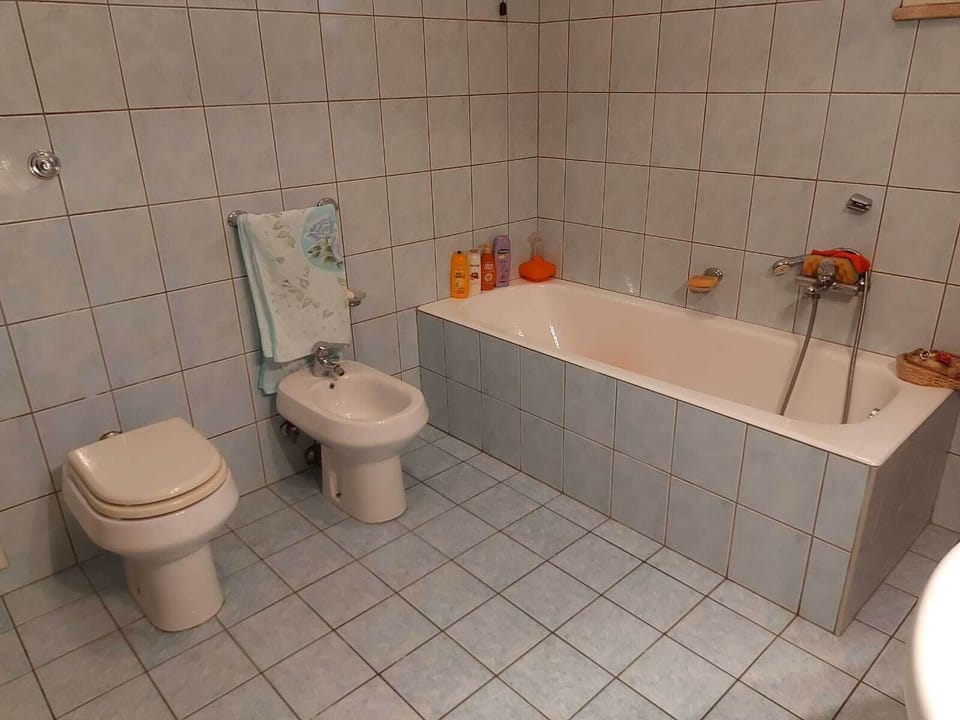
5 guests · 2 bedrooms · 1 bath
Reasons to book
Great for petsBring all your friends and family, even the furry ones
Well priced for this locationPriced under area average
Book with confidenceWe partner with the top travel sites so you know you're getting a great deal on the perfect rental
About this house rental
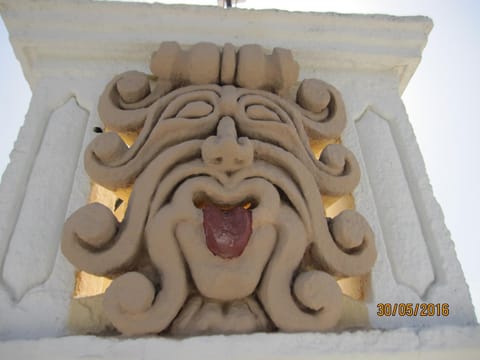
Matino is an Italian municipality with a population of about 10,000, located in the historic region of Salento in Puglia. The first historical document attesting to the existence of Matino dates back to 1099. However, “first historical document” does not necessarily mean that the town was founded in 1099; it is one of the few historic towns in the province of Lecce to have preserved its medieval characteristics—such as narrow alleys and votive niches—in their original form. In the 1400s, the town began to expand thanks to the establishment of new ecclesiastical institutions governed by Greek law, while in the second half of the 1500s, the Dominican complex was built, and the Del Tufo nobles renovated the old Marchesale Palace. Then there is the Church of the Crucifix, dating back to the 17th century; near it stands the symbol of Matino, the Arco della Pietà, a sort of entrance to the town built entirely of tuff and adjoining the Church of the Pietà, constructed around 1600, with a splendid vaulted ceiling covered in frescoes and an incredible mosaic floor inside. You then reach the Sanctuary of Maria Santissima Addolorata; the façade doesn’t look like much, but inside, it houses a fresco that’s actually quite impressive. In Piazza San Giorgio stands the grand Palazzo Marchesale Del Tufo, dating back to the 1500s and likely built on the ruins of a castle; it is one of the town’s most historically and architecturally significant buildings, thanks to its stunning interiors. Since 2002, Matino has held the title of “city.” Furthermore, the narrow streets serve very specific social, cultural, and defensive purposes; in fact, seemingly dead-end alleys often conceal escape routes that are sometimes quite ingenious. In the same square, across from the Marchesale Palace, stands the 18th-century Mother Church of San Giorgio, the town’s patron saint, which features two frescoes on its façade. As you wander through the labyrinthine streets, you’ll come across various coats of arms and inscriptions that appear ancient, eventually arriving at the Church of the Rosary, dating back to the 15th century. Honorable mention goes to the underground passages of Matino, which conceal a rock-cut hypogeum of inestimable value from an archaeological, historical, and architectural perspective.
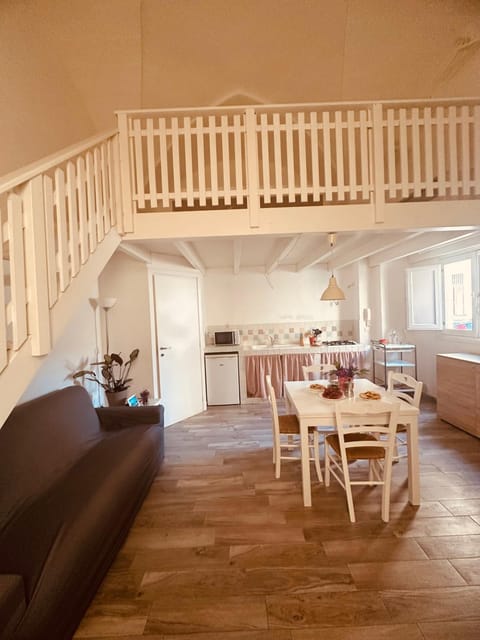
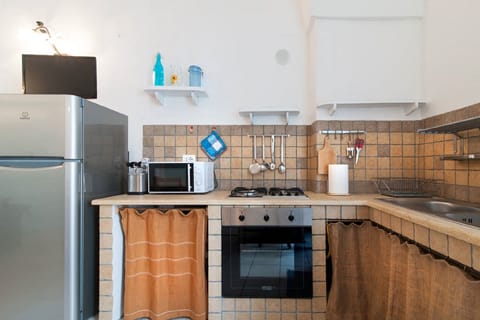
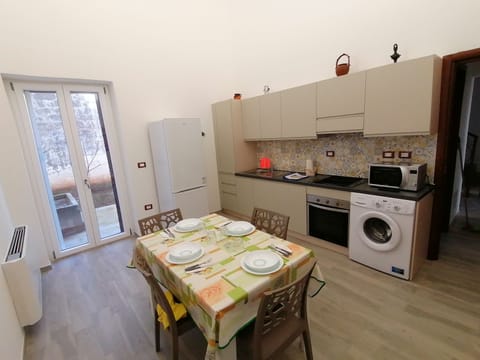
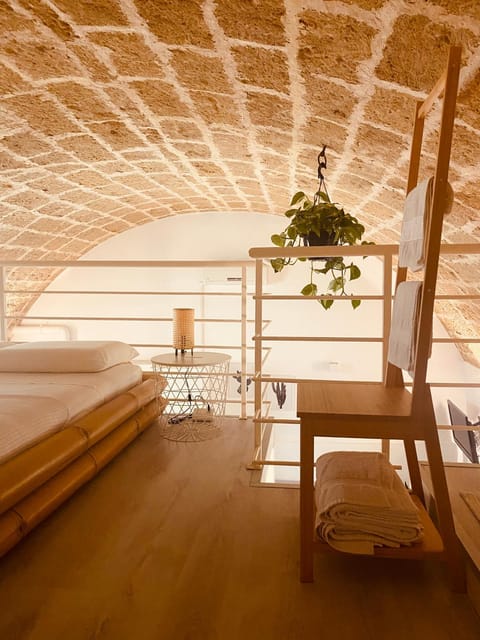
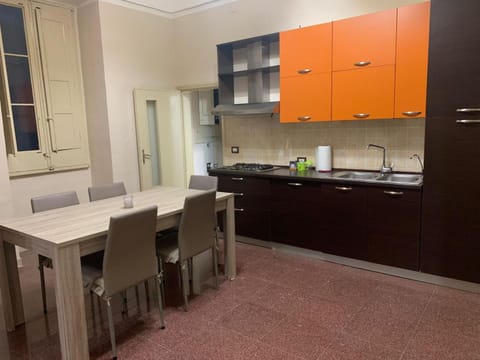
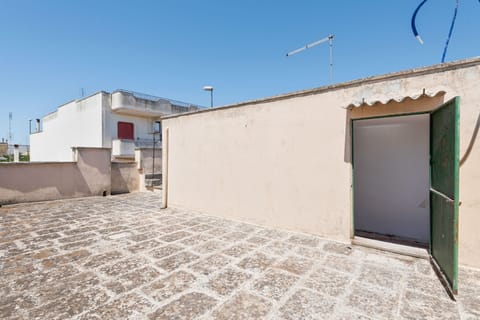
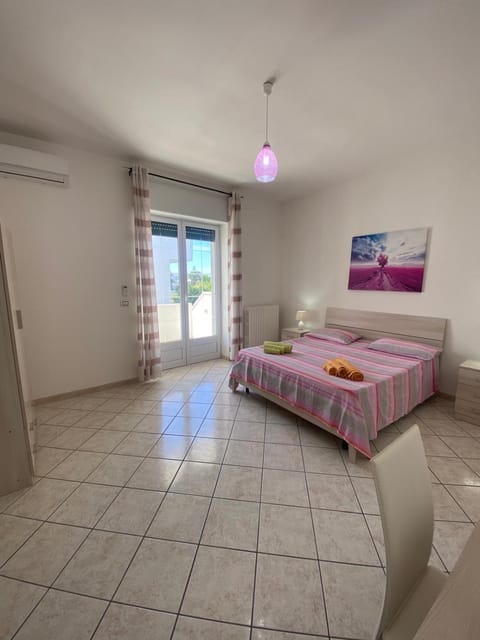
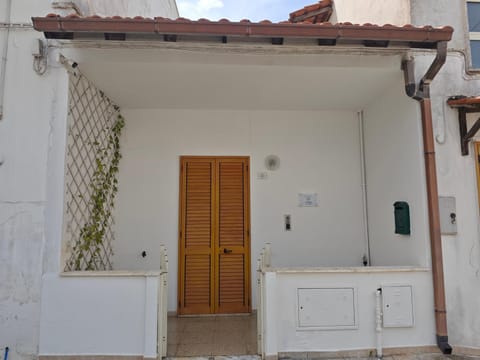
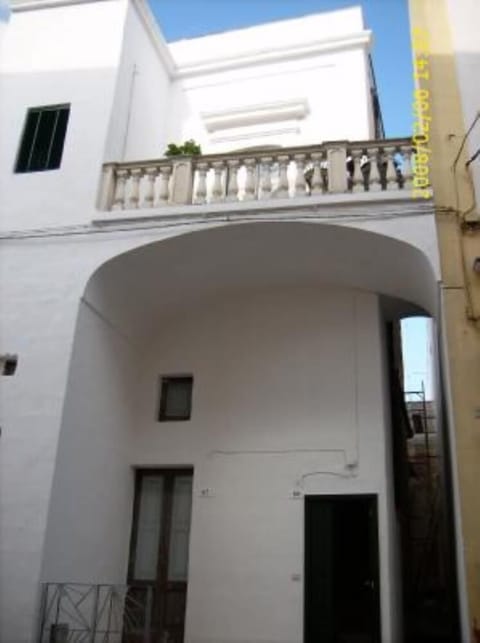
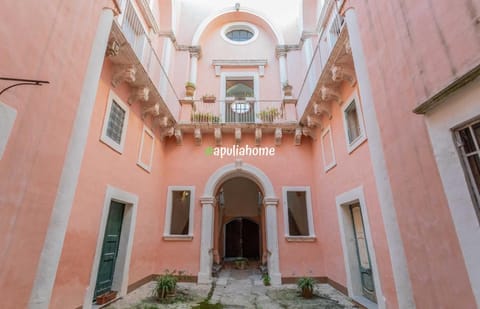
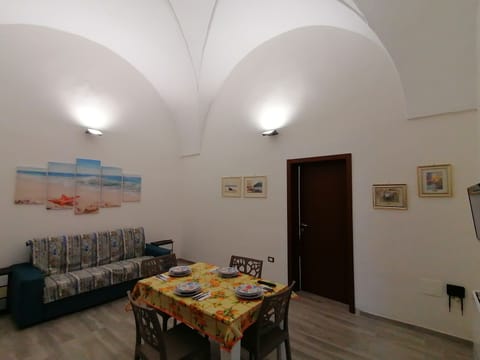
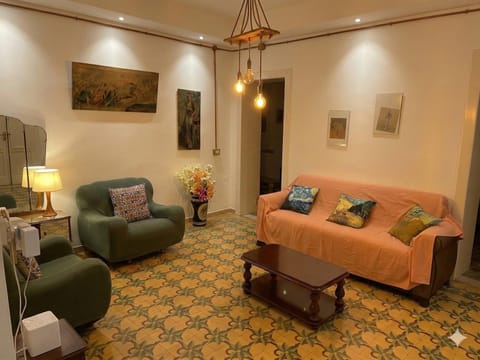
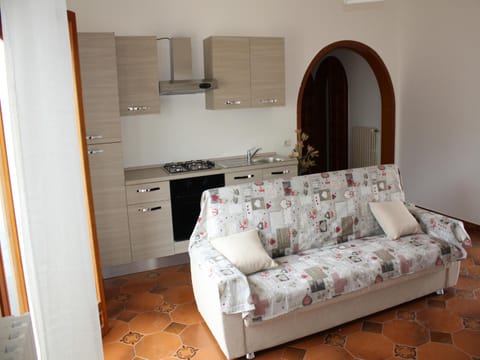
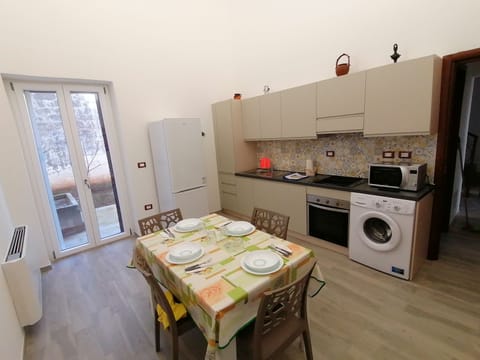
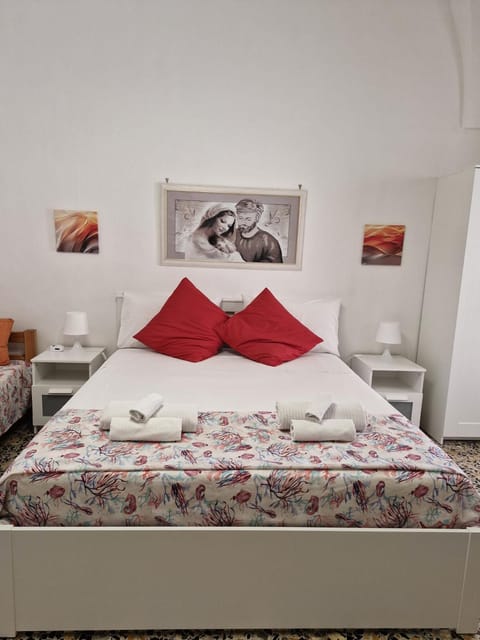
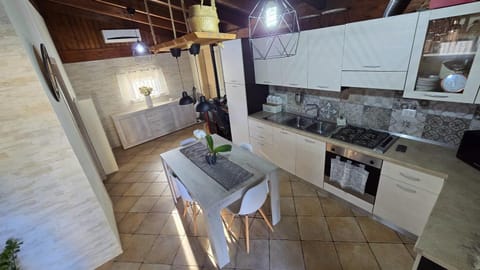
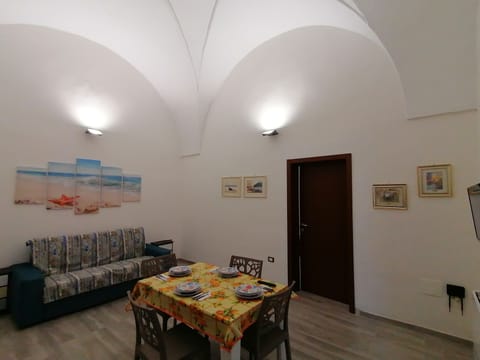
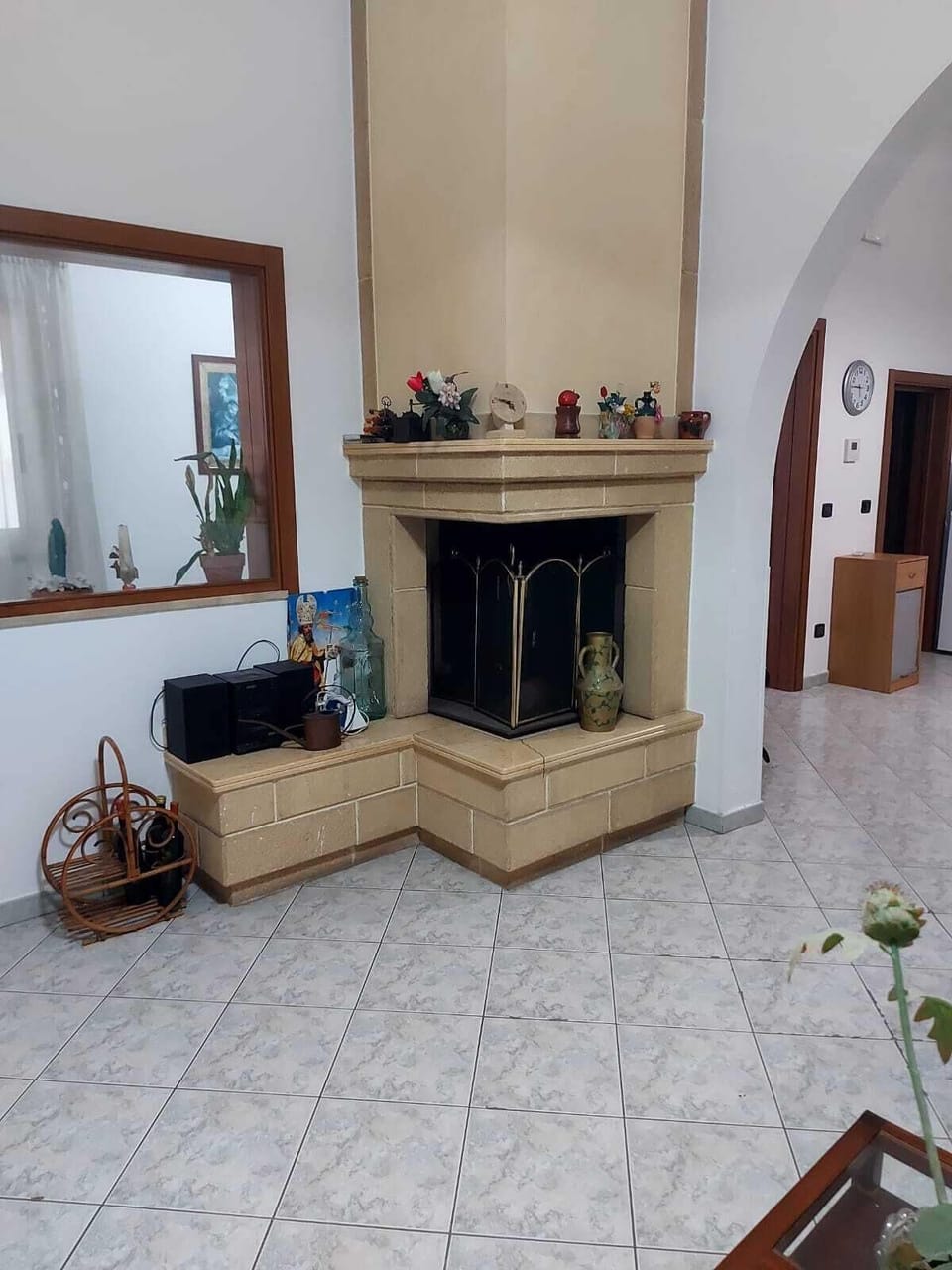
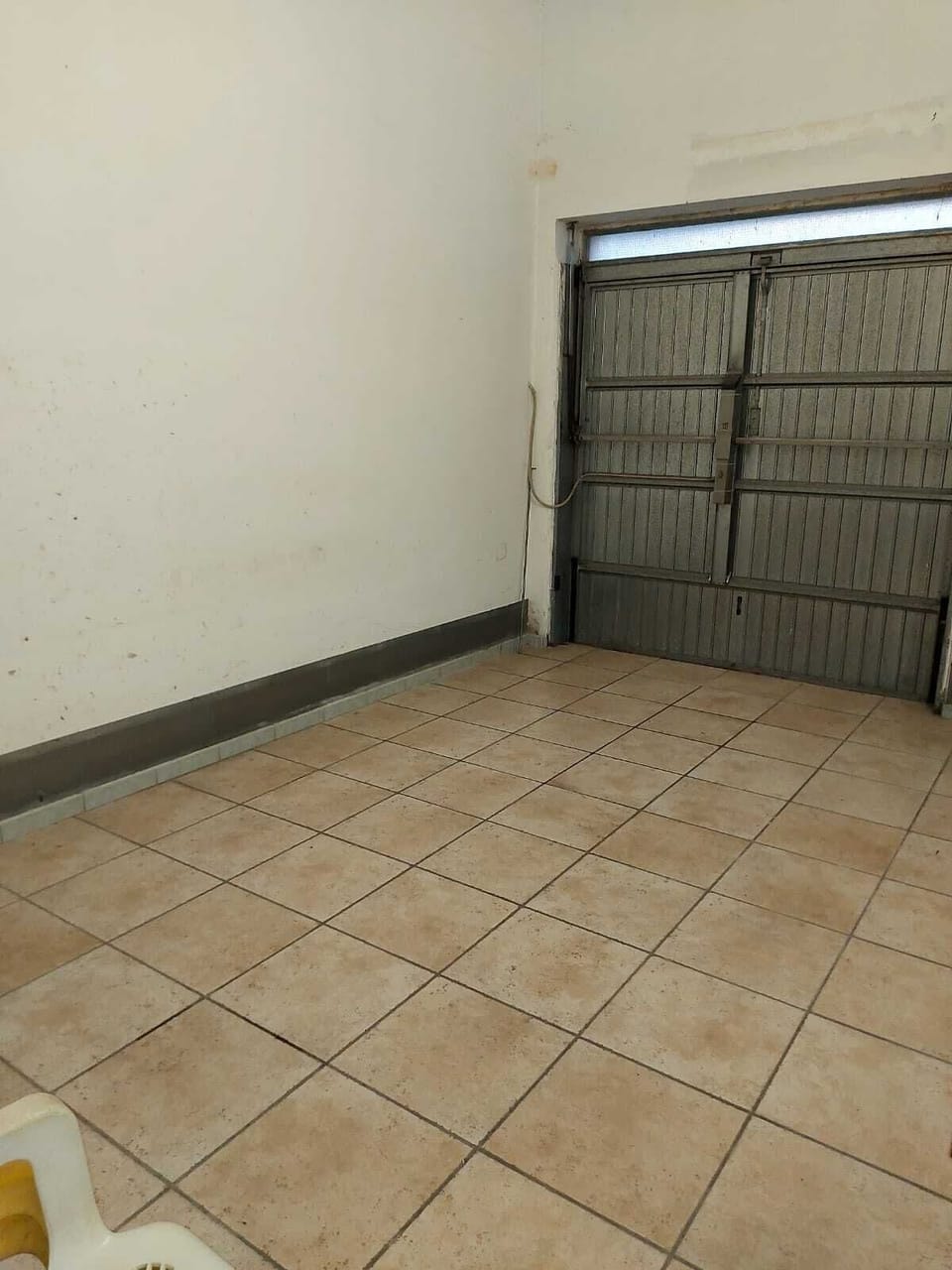
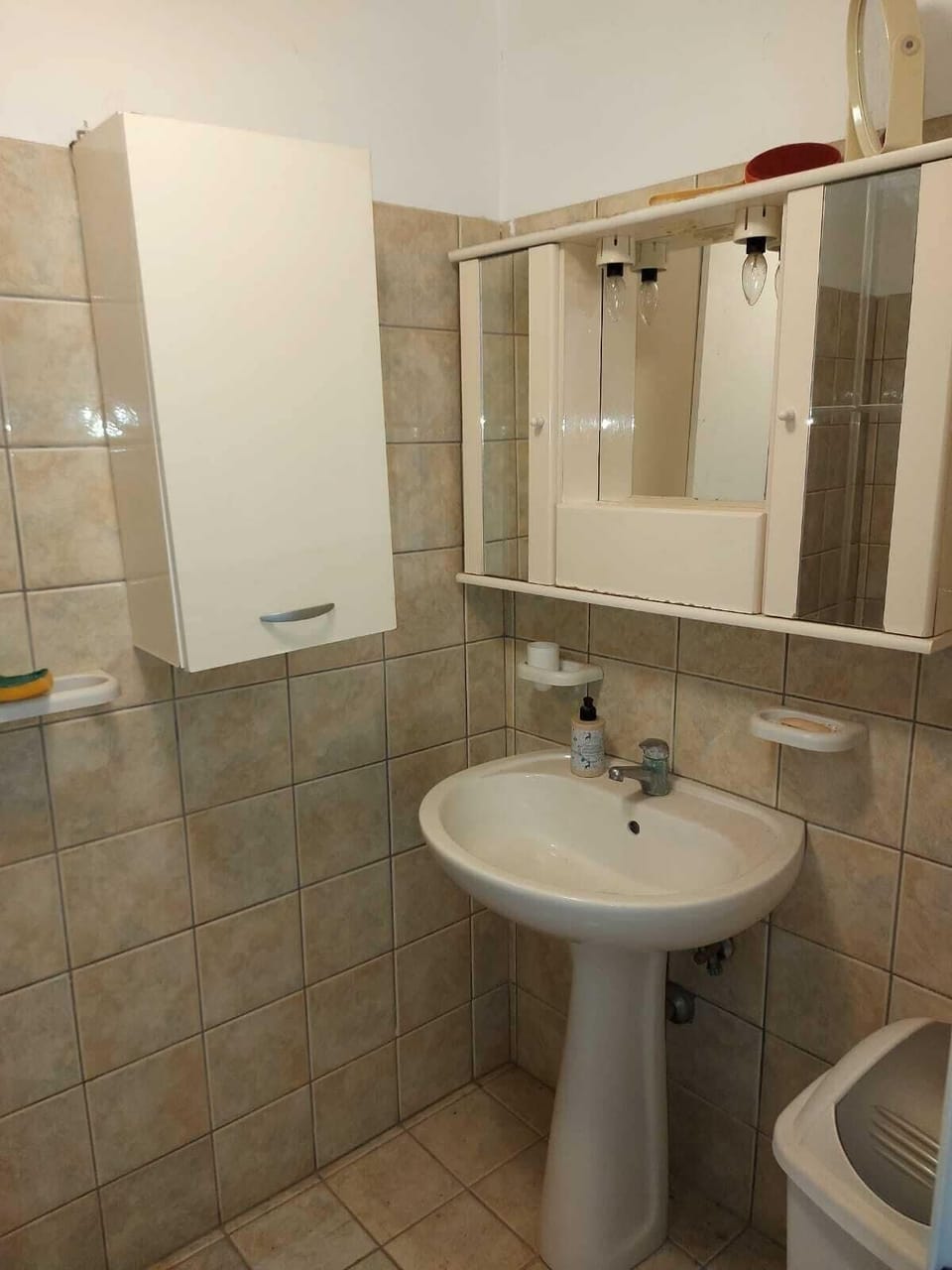
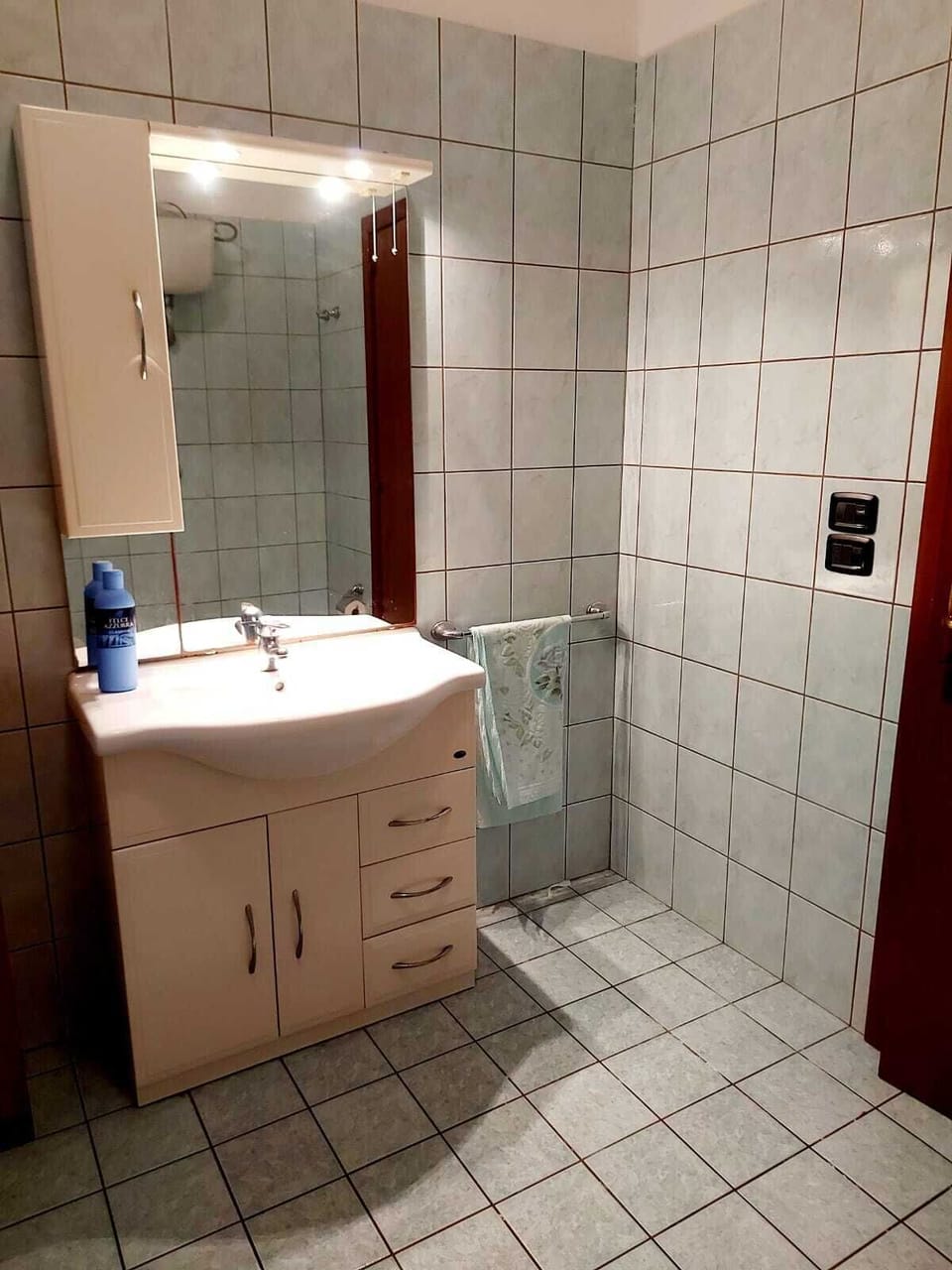
In this small, quaint town stands our little house called L’Araba Fenice, a residence located in a well-served area. Here are a few examples: just a few meters away is a large supermarket complete with a produce section, deli counter, ready-to-go takeout meals, a butcher shop, and a fish market. On the same street, you’ll find a pastry shop famous for its excellent breakfast pastries, brioches, and—above all—pasticciotti in various varieties (all delicious), perfect for a breakfast worthy of the name. And much more, such as a laundromat, a florist, a pharmacy, a tobacco shop, and so on.
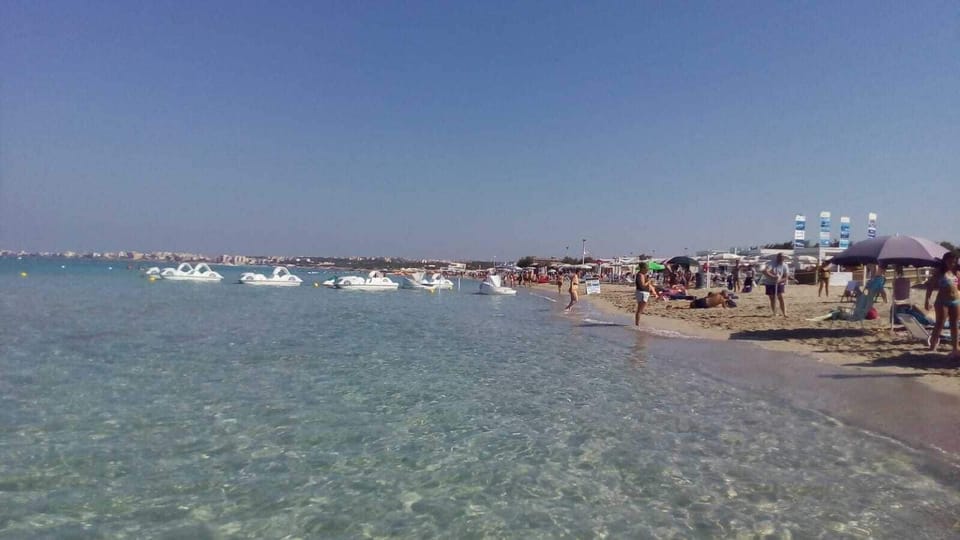
Matino is located about 13 km from Gallipoli, with its beautiful beaches of fine sand, about 20 km from Torre San Giovanni, 38 km from Otranto, and about 40 km from Santa Maria di Leuca.
For a vacation focused on relaxation and exploration worthy of the Salento region, choose L’Araba Fenice.
Amenities at The Arabian Phoenix for a relaxing vacation
Non-smoking
Pets allowed
Family friendly
Map of Apulia
$$$$

Don't miss out! Price and availability may change